About 311 In Maryland
311 originated in Maryland in 1996, when Baltimore City launched the nation's first system. Today, six counties in Maryland operate a 311 system, each with a unique model. While those six jurisdictions make up more than half of the state's residents, many suburban and rural areas remain uncovered.
Thirty year later, more than 40% of Marylanders do not live in an area with a 3-1-1 system. So, residents are navigating government services with no easy point of entry.
This new statewide system will ensure equitable access no matter where a Marylander lives.
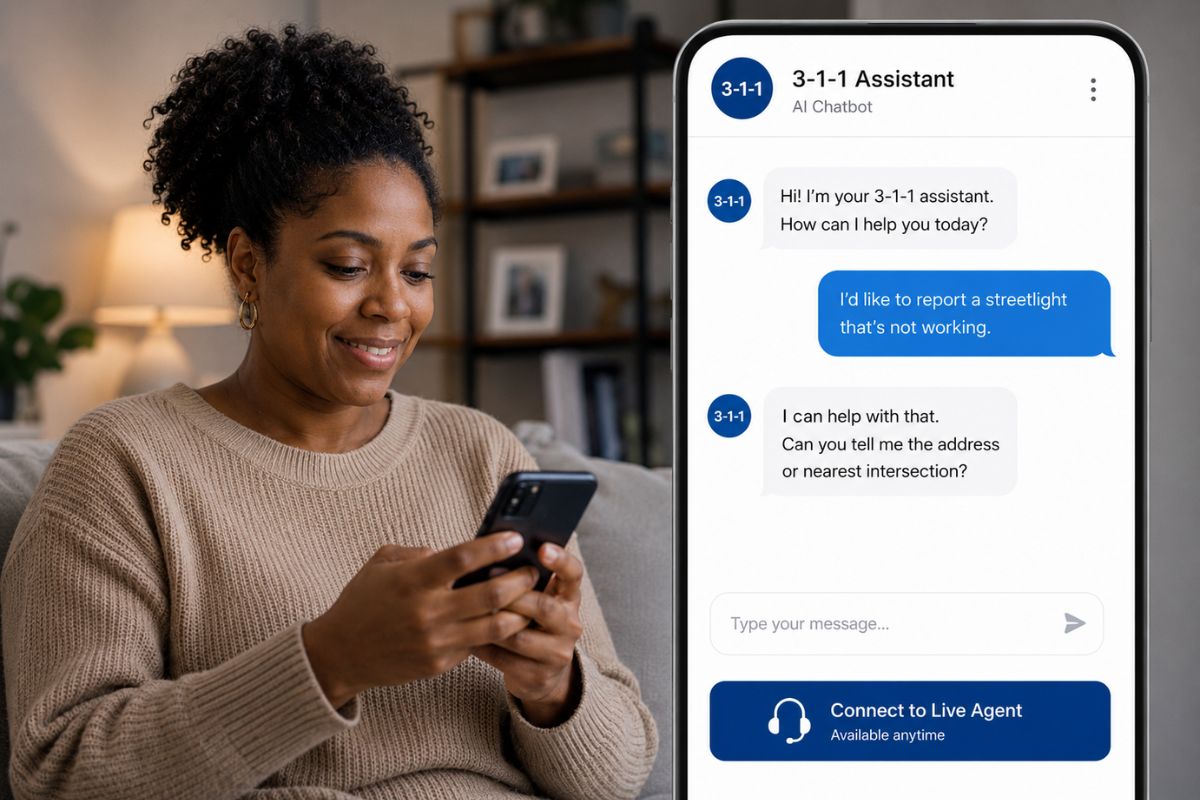
Leveraging Artificial Intelligence (AI) and Human Touchpoints
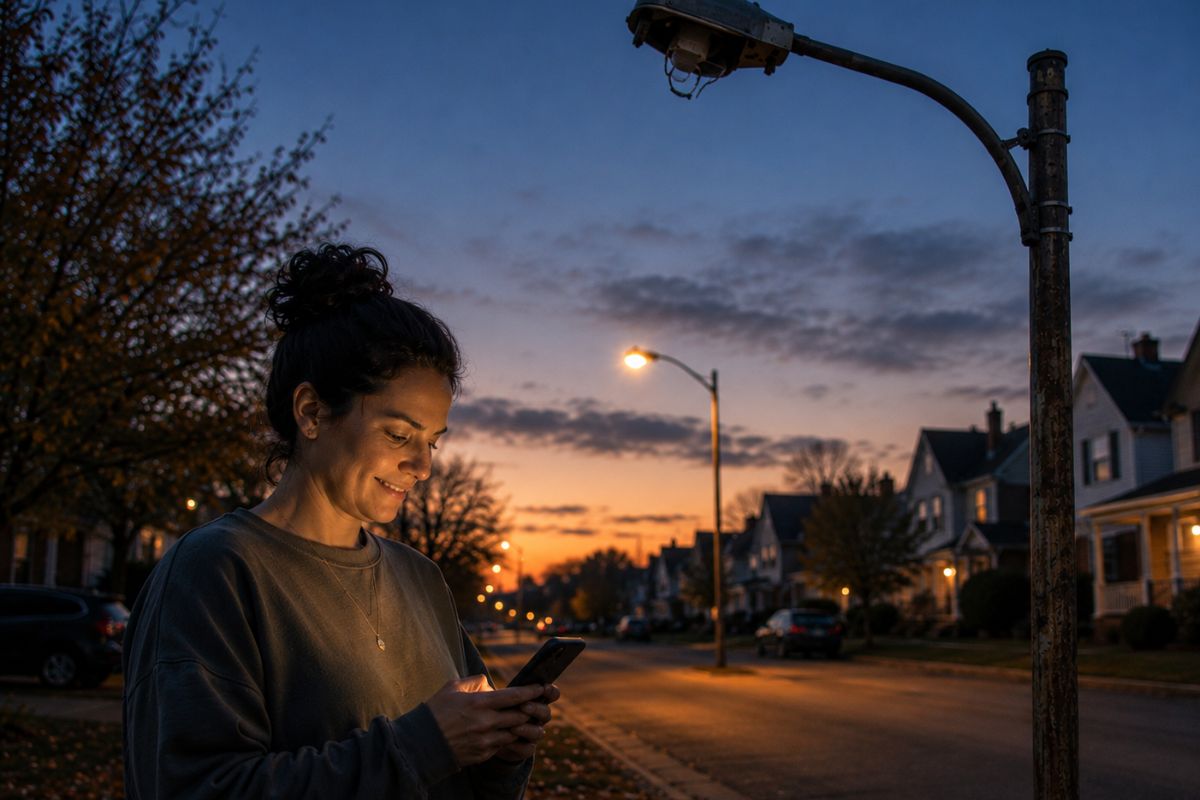
AI will ensure more residents can connect with their local government when they need it. It will help with capacity challenges faced by local governments and support services. It will also offset the burden on 911 for non-emergency calls.
Human touchpoints will still be readily available to connect a person with a 311 professional if needed.
Clear escalation protocols will be utilized to route complex requests to live agents, and each county will determine the sources to use to help the chatbot answer questions. Feedback will also be regularly monitored.
3-1-1 Pilot Program
Expansion will start with a pilot program including two counties with an existing 3-1-1 system and two without. Once the Oversight Board selects a technology vendor, the program will move quickly, within 18-24 months.
By June 30, 2027, the Board will establish a chatbot for each participating county, offering multilingual support and clear escalation protocols to connect with a live person if needed. The AI system will also integrate with geographic information system data to accurately route help requests.
By December 1, 2027, a multilingual voicebot will be added to the AI system. The voicebot will offer support in several languages; transfer calls if needed between 911, 211, and 988; integrate with the GIS system for accurate routing; and provide escalation protocols to route anyone who needs to speak to a live 311 agent.
By July 1, 2028, a statewide 3-1-1 program will be implemented.


Senator Cheryl C. Kagan
(D-Montgomery)
Chair, 3-1-1 Workgroup
How We Got Here
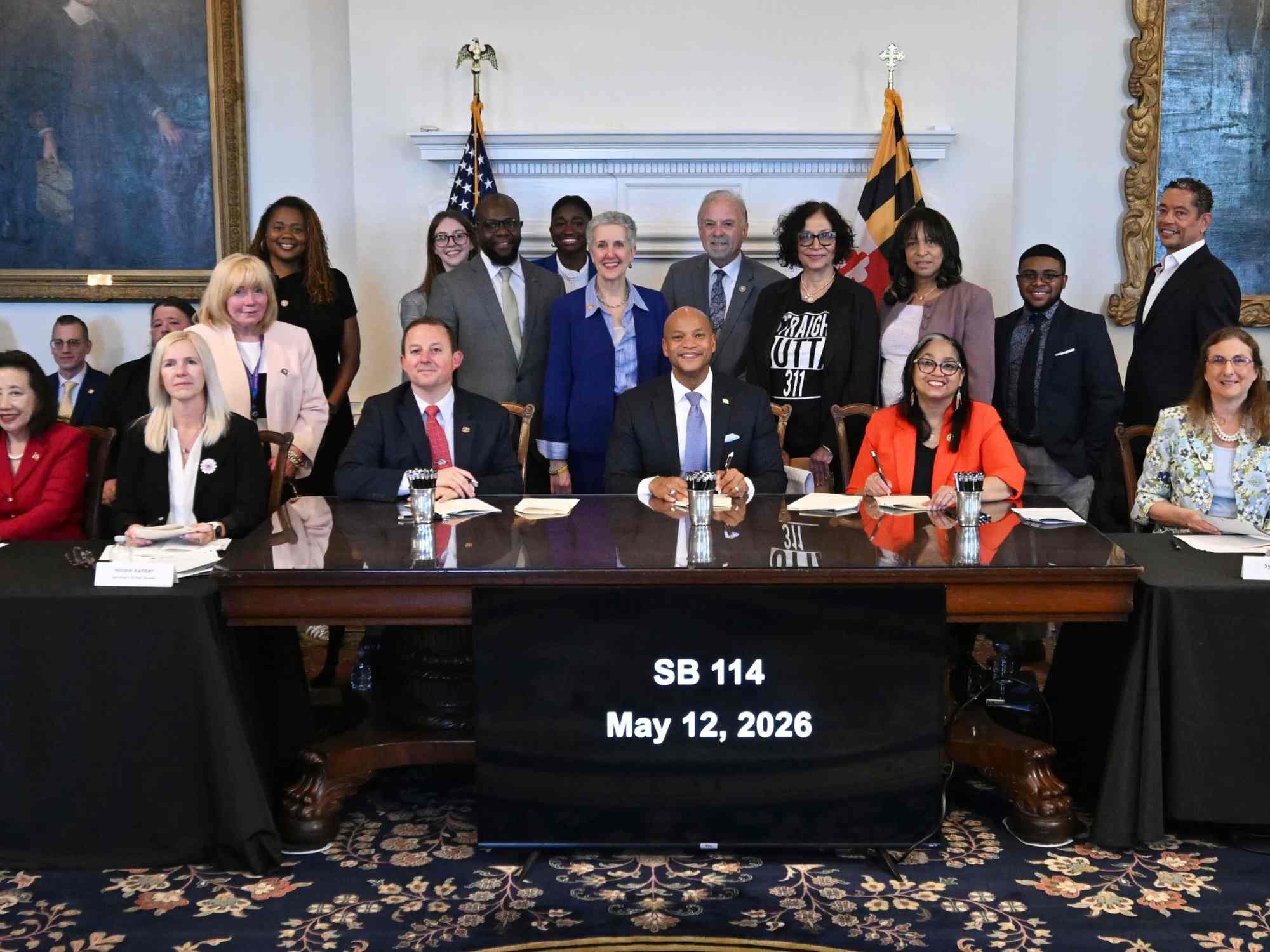
A workgroup studied the implementation of an expanded 3-1-1 nonemergency system and issued a report in November 2025. The 3-1-1- Workgroup was chaired by Senator Cheryl C. Kagan and Sara Elalamy was Co-Chair.
- Reduce the burden of nonemergency calls on the 911 system.
- Improve access to government services for all Marylanders, and ensure equity in service delivery across rural, suburban, and urban jurisdictions.
- Leverage AI to modernize service delivery and reduce costs.
The workgroup researched nine 311 systems across the country to understand AI adoption, marketing and outreach strategies, and funding.
Maryland Information Network's Role
- governance
- standards-setting
- data integration
- cross-jurisdictional coordination
The Maryland Information Network connects people to help, partners to innovation, and decision-makers to data... statewide.
The nonprofit will support the implementation process by:
- Staffing and coordinating the Oversight Board.
- Managing the request for proposal process and vendor selection support.
- Helping implement AI tools and standardized data systems.
Every day, Marylanders turn to 211 Maryland for help navigating food insecurity, housing challenges, mental health crises, and countless other needs.
Maryland Information Network stands ready to partner with county leaders, state agencies, and communities across the state to help turn this vision into reality.

Kenyn Benjamin
President and CEO, Maryland Information Network
About the 3-1-1 Oversight Board
The Oversight Board, housed within the Maryland Information Network, will consist of:
- members of the General Assembly
- people appointed by the Governor
- a member of the general public
- a representative from specific Maryland agencies
- representatives from the Maryland 9-1-1 Board, Maryland Association of Counties, Maryland Municipal League, and Maryland Information Network.
- 2 counties in the state who do not have an existing 311 system
- 2 counties in the state who have an existing 311 system
A 3-1-1 Technical Advisory Committee will provide technical guidance to the Oversight Board and 311 Program.
The board will oversee implementation, marketing, vendor selection, data standards, and expand the use of 3-1-1 systems in the state. They'll also ensure the 311 system aligns with best practices for technology, accessibility, and equity.