
A Healthier Community Starts with Stronger Connections
Oct 26, 2026
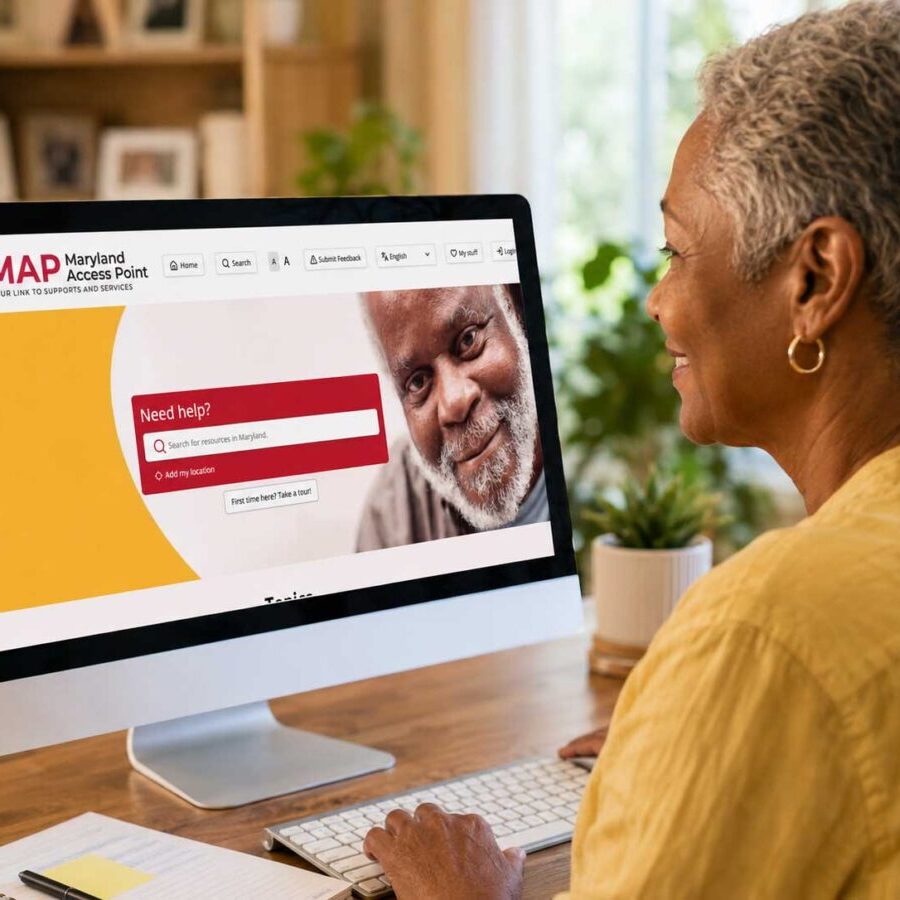
Finding the right resource can change someone’s life. Across Maryland, thousands of programs provide food, housing, transportation, health care, and other essential services. Connecting people to those programs requires accurate, organized information that is regularly managed to make resources easier to access.
Margaret Fowler of Totally Linking Care in Maryland (TLC-MD) recently shared with Maryland Information Network how she used the 211 Statewide Community Resource Database to connect an individual to food and employment.
TLC-MD is a nonprofit coalition of hospitals that connects healthcare providers and programs with residents across Calvert, Charles, Prince George’s, and St. Mary’s County.
“We had somebody who was a young man who lost his job. He said, ‘Well, I lost my job, I might as well take this diabetes prevention program,” Fowler explained.
Through that program, TLC-MD identified some health-related social needs. He wasn’t sure he could participate because he couldn’t afford the necessary food after losing his job.
She showed him how 211 works, walked him through the 211 Statewide Community Resource Database, and found food and employment resources that led to a job.
“I think it went from despair to hopeful,” Fowler explained.
Maryland Information Network powers the 211 system in Maryland. The 211 Statewide Community Resource Database has over 8,500 health and human services programs. By maintaining a centralized, verified statewide resource database, Maryland Information Network gives community organizations, government agencies, and other partners access to consistent information without maintaining separate directories.
From helping someone find food and employment resources to building “wellness neighborhoods,” Fowler joined Maryland Information Network President and CEO Kenyn Benjamin and Board Member Kendal Lee to explore how partnerships can strengthen community connections and transform healthcare.
Putting resources where Marylanders turn for help
By maintaining a centralized source of verified resource information, Maryland Information Network gives community organizations, government agencies, and other partners access to a shared source of consistent information without maintaining separate directories.
For Kenyn, the opportunity extends well beyond helping people search for services. He envisions resource information being available wherever Marylanders already turn for assistance, from community organizations and health care providers to libraries and grocery stores to state agency websites. The resource database already powers Maryland Access Point and 988 connections.
He also discusses how data can help decision-makers understand where services are needed most, where access barriers exist, and where additional resources could make a difference.
Turning resource information into real connections
Together, these perspectives offer a compelling look at how Maryland can build on its existing infrastructure, strengthen local partnerships, and make more meaningful connections between people and the resources available to them.
Watch the full conversation to hear how shared resource information, community partnerships, and new approaches to service navigation can help Marylanders get connected to the support they need.